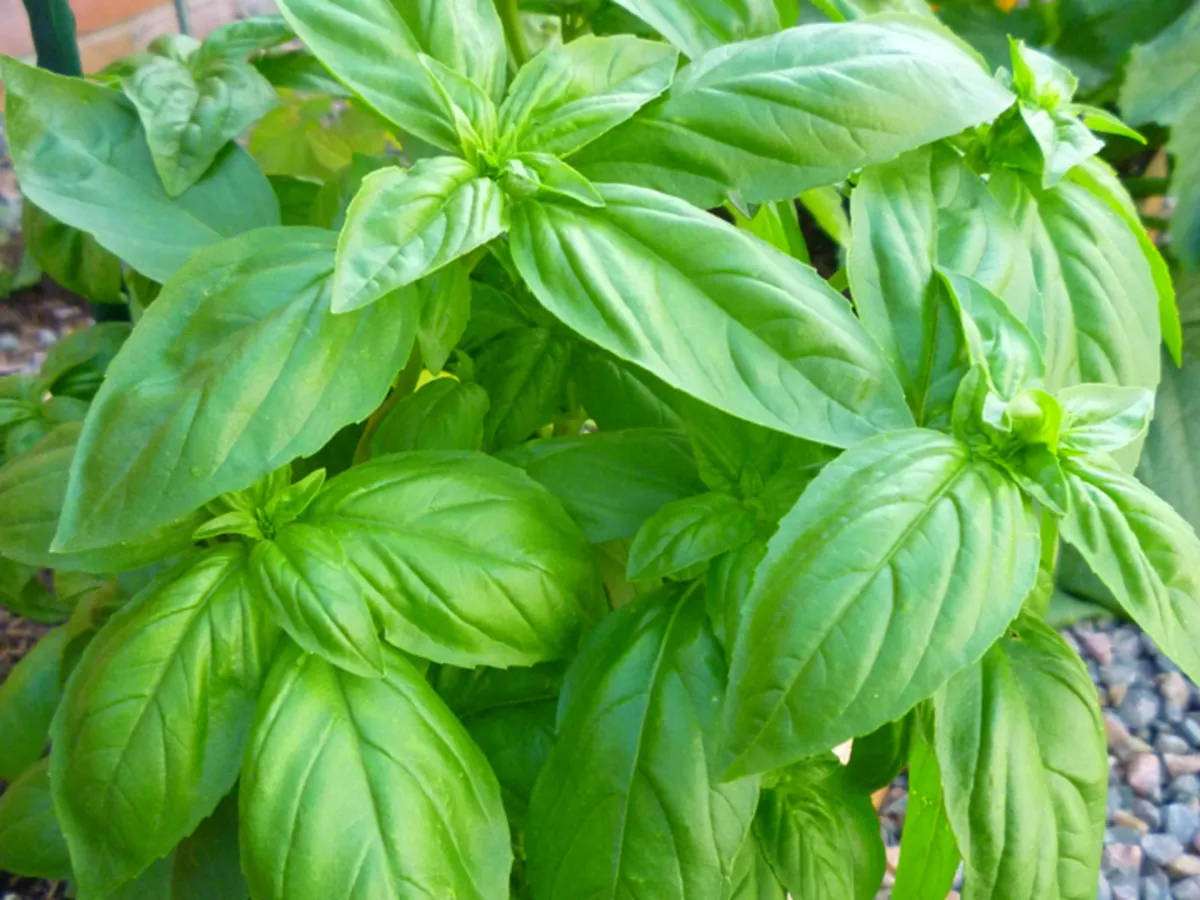
Sweet Basil Essential Oil: Benefits, History, Energetics & Traditional Uses
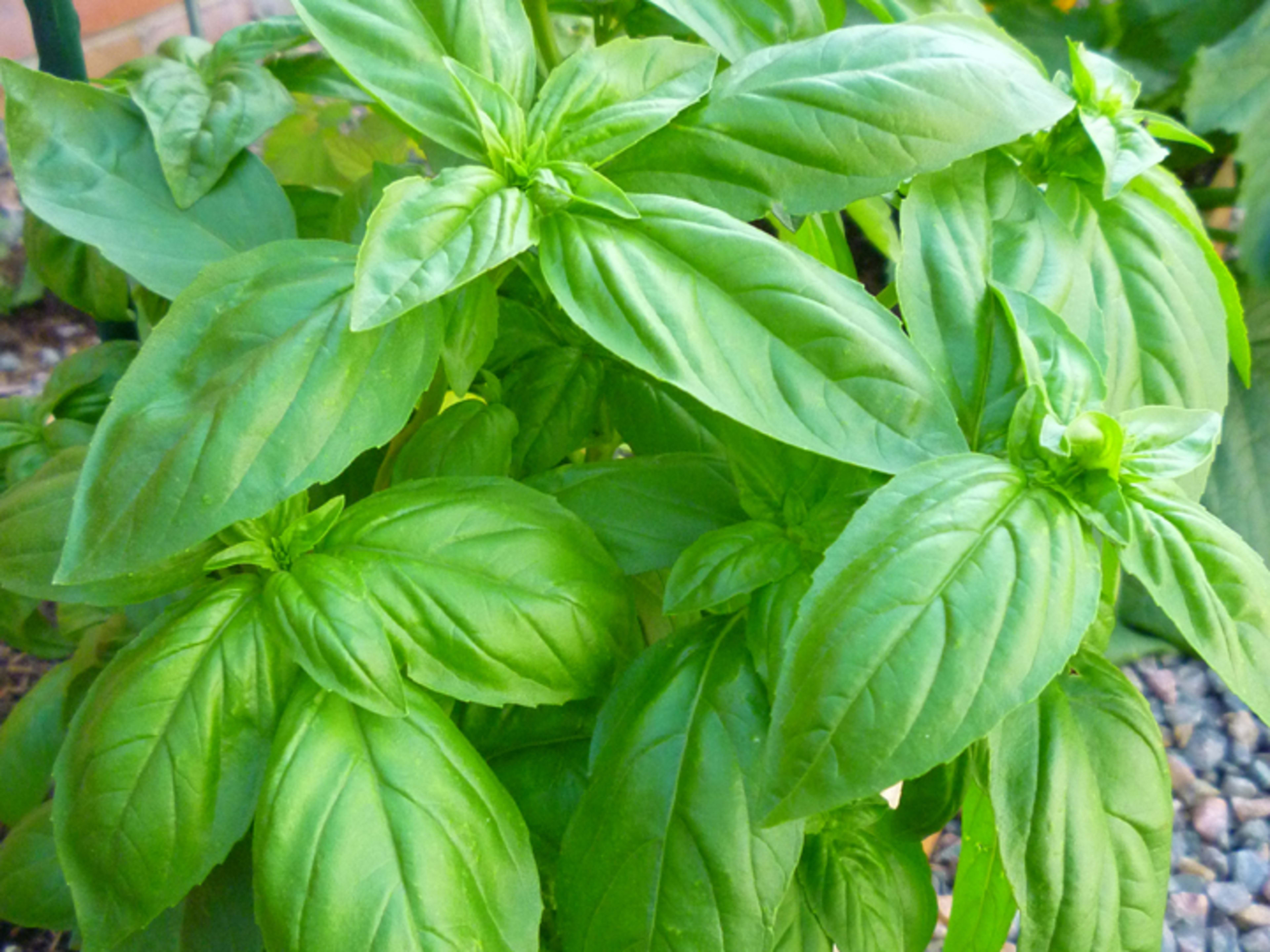
Sweet Basil (Ocimum basilicum) often gets sidelined in favour of trendier herbs or confused with Holy Basil (Ocimum sanctum / tenuiflorum). But within the practitioner world, Sweet Basil holds an entirely different medicine chest—one grounded in clarity, devotion, and often overlooked power.
In this episode of Fellowship in Essential Oils, Elizabeth Ashley delves into her longstanding relationship with the plant, sharing why it became her favourite book to write and how its chemistry, mythology, and therapeutic elegance intertwine.
Find out more in this video.
🧪 Therapeutic Uses of Sweet Basil Essential Oil
Botanical Name: Ocimum basilicum
Plant Family: Lamiaceae (mint family)
Part Used: Leaves and flowering tops
Extraction Method: Steam distillation
Traditional Benefits:
Mental clarity, focus, and alertness
Eases muscle tension and spasms
Supports digestion and relieves queasiness
Useful in stress-related exhaustion or mental fatigue
Historically used in respiratory and head tension blends
🔥 Energetic & Emotional Profile
Sweet Basil has an incredibly clearing and uplifting effect on the mental body. Where thoughts loop and fog gathers, basil brings precision and direction. It has an affinity for those who feel mentally drained but cannot stop thinking—people caught in the ‘worry loop.’
It restores the “I will” when vitality is slipping.
🕯️ Myth & Mystery: Azuli Frieda and the Feminine Power of Basil
In Haitian Vodou, basil is sacred to Azuli Frieda, the spirit (loa) of beauty, love, and seduction. She is seen in flowing white robes, painting her nails, wearing silver jewellery—and always crying for the heartbreaks of the world.
“She cries so we don’t have to.”
This powerful imagery of Azuli Frieda adds an archetypal dimension to basil’s role in emotional release. Sweet Basil is a plant that supports the feminine mystery: the simultaneous ability to seduce and to suffer, to uplift and to ache.
Its traditional voodoo associations mark it as an oil for ritual clarity and feminine energetic resilience—not unlike the Virgin Mary or the archetype of the courtesan-saint.
🌍 Clarifying Confusion: Sweet Basil vs Holy Basil
Despite often being grouped together online, Sweet Basil and Holy Basil are entirely different plants—botanically, energetically, and therapeutically.
Holy Basil (Tulsi) is adaptogenic, used for spiritual attunement and immune support.
Sweet Basil is sharp, mental, clearing, and invigorating.
Combining the two in educational content muddies their unique roles. As Elizabeth notes, she once had to “extricate” Sweet Basil from the noisy, confusing narratives online. The result? A book that surprised even her with how satisfying it was to write.
Find out more upon the full topic from Elizabeth's favorite book here